
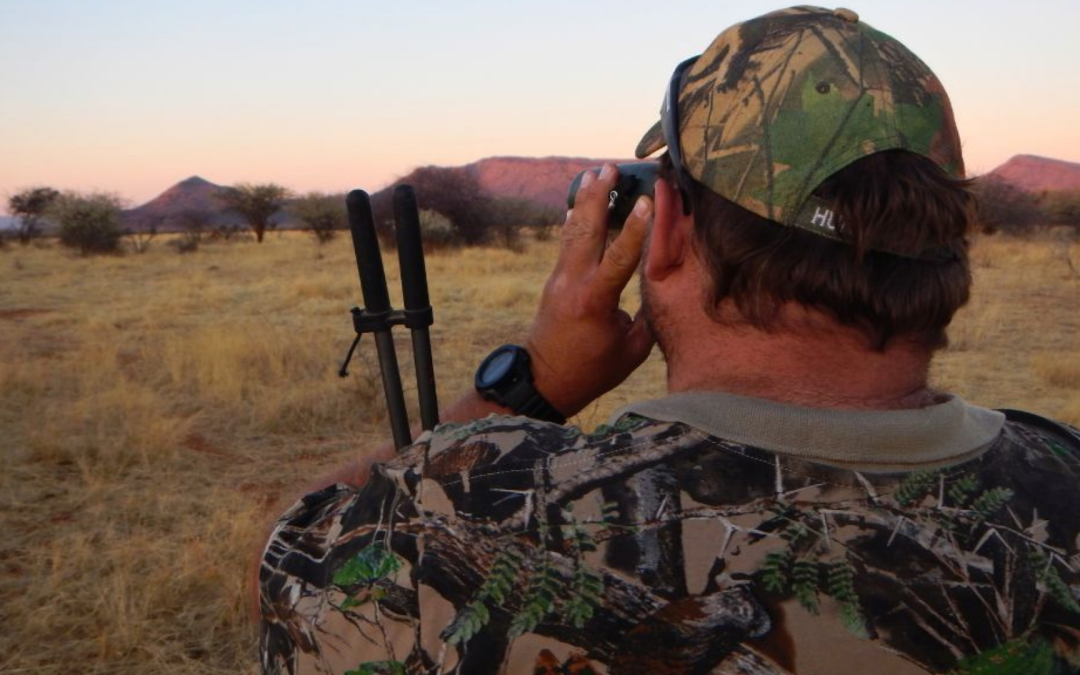
One of the first questions hunters ask when planning an African safari is, “How many days do I need for a hunting safari in Namibia?” There is no single answer because the ideal length of a safari depends on what you want to hunt, how many animals are on your trophy list, your hunting style, your budget, and how much time you have available for the trip.
A hunter who wants to take a few common plains game species can have an excellent experience with five hunting days, while someone hoping to pursue several premium trophies such as kudu, eland, waterbuck and zebra may be better served by seven to ten hunting days. Hunters who are planning specialized hunts or extensive trophy lists may choose even longer safaris.
The most important thing is to decide what you want from your safari before deciding how many days you need.
Hunting Days vs Total Safari Days
When comparing hunting packages, it is important to understand the difference between hunting days and the total number of days you will spend in Namibia. Arrival and departure days are normally separate from the actual hunting days.
For example, a five-day hunt can consist of an arrival day, five full hunting days and a departure day, giving you seven days in total. Otjandaue Hunting Safaris currently offers five-day packages structured this way. Its seven-day package includes seven hunting days plus arrival and departure, resulting in a nine-day safari, while the eight-day Mountain Zebra package provides eight hunting days plus two travel days for a total of ten days.
This distinction is important when comparing safari packages from different outfitters. Always ask whether the advertised number of days refers to hunting days or the total length of the trip.
So, How Many Days Should You Book?
For a focused plains game hunt, five hunting days can be enough. For a more comprehensive safari, seven days gives you additional flexibility, while eight to ten hunting days becomes increasingly attractive when you have several priority species or are looking for particular trophy quality.
There is also no guarantee that a longer hunt will result in more trophies. Additional days provide more opportunities and more flexibility, but wild animals do not follow a schedule. Weather, wind, animal movement, terrain, vegetation and simple luck can all influence the outcome of a hunt.
This is one reason experienced hunters often value extra days. They are not necessarily paying for more animals. They are paying for more time and less pressure.
Five Hunting Days: A Focused Namibian Safari
A five-day hunt can be an excellent introduction to hunting in Namibia, particularly when the hunter has a defined trophy list. It is also attractive to hunters who have limited vacation time or who want to combine their hunting safari with additional sightseeing elsewhere in Namibia.
Otjandaue’s current five-day packages demonstrate how much can be accomplished during a focused hunt. The Entry Level package includes five hunting days and five trophies, consisting of gemsbok, impala, steenbok, warthog and jackal. The Starter Package also provides five hunting days and includes kudu, gemsbok, impala, steenbok and jackal. Both packages include arrival and departure days, making the overall trip seven days.
A five-day hunt works particularly well when you already know which animals are important to you. Instead of spending time pursuing a long list of species, your Professional Hunter can concentrate on the animals that matter most.
The trade-off is flexibility. If you spend several days looking for a particularly good kudu or experience poor hunting conditions, there are fewer remaining days in which to adjust your strategy.
Seven Hunting Days: A Good All-Round Option
Seven hunting days provide a comfortable middle ground for many hunters. You have enough time to pursue several species without committing to a particularly long safari, and there is more room to adapt if conditions change during the hunt.
Otjandaue’s current seven-day package includes kudu, gemsbok, impala, springbok, steenbok and jackal, with arrival and departure days added to the seven hunting days. This creates a nine-day safari in total.
The additional two hunting days compared with a five-day safari can make a meaningful difference. You may be able to spend more time looking for a particular trophy, return to an area where fresh tracks were found, wait for better conditions or simply continue hunting without feeling that every morning is a race against the clock.
For a hunter who wants a well-rounded plains game experience without spending two weeks in the field, seven hunting days can be an excellent choice.
Eight to Ten Hunting Days: More Time for Premium Trophies
Once a trophy list becomes more ambitious, eight to ten hunting days can make more sense. Species such as kudu, eland, waterbuck, zebra and wildebeest may require additional time depending on the hunting area, terrain, trophy expectations and conditions during the safari.
Otjandaue’s current Mountain Zebra package is a good example. It provides eight hunting days and includes kudu, gemsbok, impala, springbok, Hartmann’s Mountain Zebra, warthog and jackal, followed by two arrival and departure days.
Ten hunting days is also a very established format among international hunters visiting Namibia. Recent hunter reports include ten-day plains game safaris where hunters deliberately allowed additional time to pursue several species and specific trophy goals. One recent first-time African hunter chose a ten-day Namibia safari with kudu, oryx and Hartmann’s mountain zebra among his priorities. Another hunter reported a ten-day Namibia plains game safari where kudu and gemsbok were among his main objectives.
These experiences do not mean that every hunter needs ten days. They demonstrate that longer safaris are particularly useful when the hunter wants to pursue several species without putting unnecessary pressure on the Professional Hunter or the hunt itself.
Why Extra Hunting Days Matter
The biggest benefit of a longer safari is not necessarily the number of animals you can harvest. It is an additional opportunity to make good decisions.
Imagine that you are hunting a mature kudu. On the second day, your Professional Hunter finds fresh tracks belonging to a bull that appears to be the right age and size. You follow the spoor but the animal disappears into the thick bush before you get a suitable opportunity.
With only two days remaining, you may feel pressure to accept the next reasonable opportunity. With another five or six days available, your PH can continue looking for the same bull, return to the area later, or change the strategy altogether.
This is particularly important for hunters who have a specific trophy standard rather than simply wanting to harvest any legal animal of a particular species.
What Do Experienced Hunters Say?
Real hunting experiences also show that safari lengths vary considerably. Reports from hunters who have hunted Namibia include seven-day, eight-day and ten-day plains game safaris, with ten days being a common choice for hunters pursuing broader trophy lists.
These reports also demonstrate that the amount of walking and stalking can vary substantially from one safari to another. One hunter described several days involving significant walking and stalking after driving to promising hunting areas, while other hunts can involve more vehicle-based glassing and shorter stalks. Terrain, species, weather and the hunting property all make a difference.
For that reason, it is difficult to say that a particular safari length is automatically necessary for a particular species. Your outfitter is in a much better position to recommend the appropriate number of days based on your trophy list and hunting area.
How Long Should You Hunt Kudu?
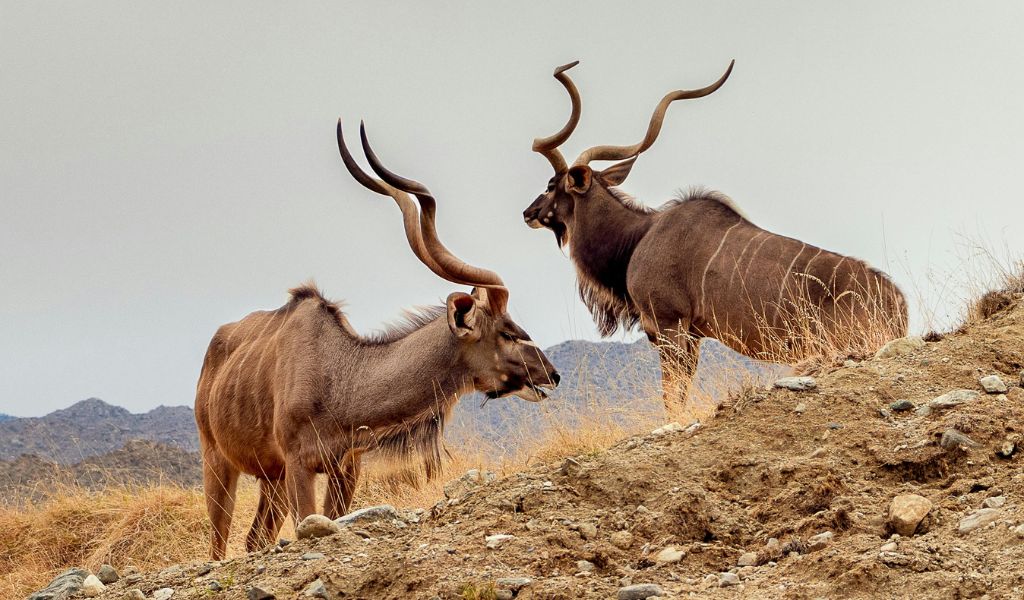
Kudu is one of Namibia’s most sought-after trophies, and many hunters arrive with a mature bull near the top of their wish list. Hunting kudu can involve glassing large areas, checking fresh spoor, walking through thick bush and carefully selecting the right opportunity.
If kudu is simply one animal among several common plains game species, a five- or seven-day hunt may be suitable. However, if finding a mature kudu is one of the main reasons for your safari, allowing seven to ten hunting days gives your Professional Hunter considerably more flexibility.
This becomes even more important if you are not simply looking for a kudu, but are holding out for a particular horn length, mass, age or overall trophy quality.
How Long Should You Hunt Oryx?
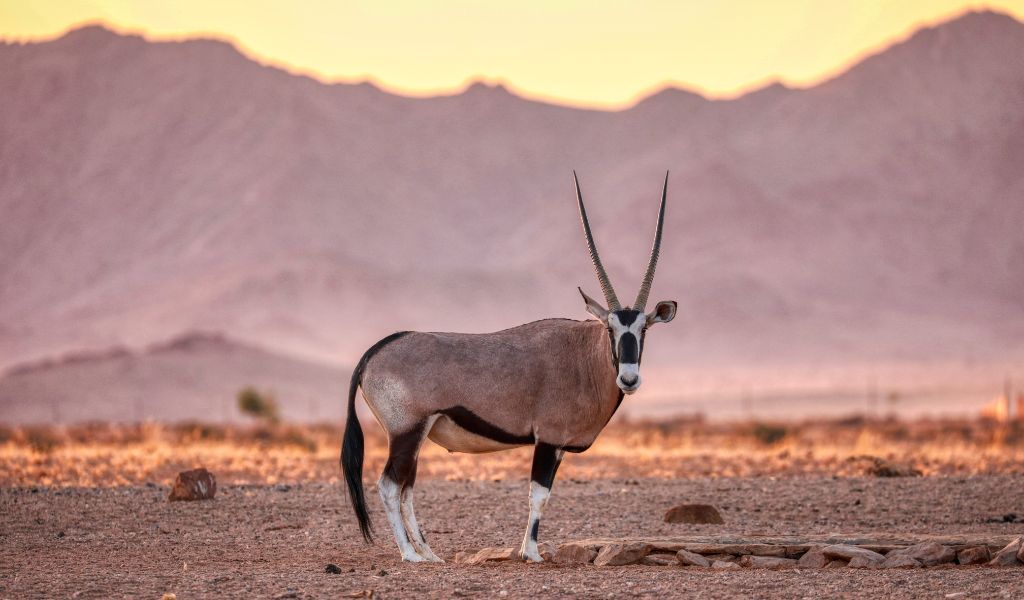
Oryx, or gemsbok, is one of Namibia’s most iconic antelope and is widely distributed throughout the country. Because of its availability and adaptability, it can often be incorporated into shorter plains game safaris.
A hunter whose primary goal is an oryx does not necessarily need a long safari. Five hunting days may be perfectly reasonable, particularly when the animal is being combined with several other accessible species.
Otjandaue currently includes oryx in several of its five- and seven-day hunting packages.
How Long Should You Hunt Eland?
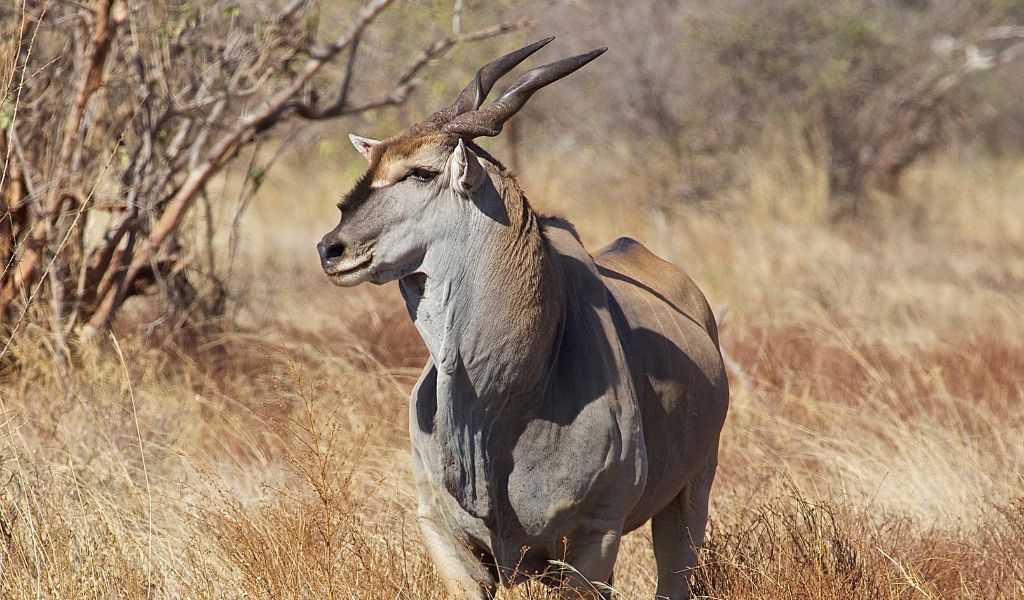
Eland is a different proposition. It is a large, powerful antelope and a highly desirable trophy, and hunters who specifically want a mature animal may prefer having additional time available.
If eland is one of several species on your list, your Professional Hunter can plan the safari so that opportunities for eland are pursued alongside your other trophies. If it is one of your primary objectives, seven to ten hunting days may provide a more comfortable timeframe.
The same principle applies to other premium species such as waterbuck, sable and larger trophy-quality kudu. The more specific your expectations, the more valuable additional hunting time becomes.
What About Bow Hunting?
Bow hunting can also benefit from a longer safari because the hunter generally needs to get much closer to the animal than when using a rifle.
Waterhole hunting can provide excellent opportunities, but patience is essential. An animal may approach the water and remain outside your preferred range, another animal may arrive and disrupt the situation, or the trophy you are waiting for may simply not appear that day.
For a bow hunter with several species on the trophy list, seven to ten hunting days can therefore provide a comfortable amount of time. It does not guarantee success, but it gives the hunter more opportunities to wait for the right conditions and the right shot.
How Much Can You Physically Handle?
The physical demands of a Namibian hunting safari vary considerably. Some days may involve driving and glassing followed by a relatively short stalk, while other days can involve long periods of walking over rocky or uneven terrain.
Actual walking distances depend on the hunting property, species, weather and hunting method. Experienced hunters have reported days involving several miles of walking, while other hunting situations require much less.
Reasonable preparation is therefore worthwhile. You do not need to be an elite athlete, but being comfortable walking for several hours over uneven ground will make your safari considerably more enjoyable.
What About Specialized Hunts?
Not every safari should be planned around the same number of days.
A general plains game hunt is very different from a specialized predator hunt, for example. Predator hunts can require substantially more time because of the additional preparation and specialized hunting methods involved.
Otjandaue currently lists a 14-day leopard hunt, which demonstrates how different a specialized hunt can be from a standard plains game safari.
If your primary objective is a particular predator or another specialized species, speak to your outfitter before deciding how many days to book.
Should You Choose a Package or a Custom Safari?
A package can be an excellent option when the included species match your goals. It provides a straightforward way to understand what animals are included and how many hunting days are available.
A custom safari makes more sense when your trophy list is highly specific.
For example, a hunter interested in oryx, springbok, warthog and impala may not need a long safari. Another hunter who wants a mature kudu, eland, waterbuck, zebra and wildebeest should consider allowing considerably more time.
The best approach is to build your trophy list first and determine the number of hunting days second.
A Simple Way to Plan Your Safari
Before booking, divide your trophy list into three categories.
Priority trophies are the animals you would be genuinely disappointed to leave Namibia without hunting.
Secondary trophies are animals you would like to pursue if the opportunity presents itself.
Opportunity trophies are animals that would be a bonus if encountered during the safari.
Once you have done this, your outfitter can give you a much more realistic recommendation regarding the number of hunting days.
Recommended Safari Lengths
As a general guideline:
Five hunting days can work very well for a focused trophy list, a first introduction to African hunting, or one of Otjandaue’s structured hunting packages.
Seven hunting days provide a good balance for a broader plains game safari and give you more flexibility if the hunt does not go exactly according to plan.
Eight to ten hunting days are worth considering when you have several priority species, are looking for specific trophy quality, or simply want more time to enjoy the hunting experience without feeling rushed.
Ten days or more can be appropriate for extensive trophy lists and specialized hunting objectives, while certain predator hunts may require even longer arrangements.
The Best Answer: It Depends on Your Trophy List
If you ask ten experienced African hunters how many days you should spend hunting in Namibia, you may get ten different answers.
Some hunters enjoy short, focused safaris and return home completely satisfied after five days. Others prefer spending ten or more days in the bush because they enjoy the slower pace and want to pursue several species.
Neither approach is necessarily better.
The right safari length is the one that gives you enough time to pursue the animals you genuinely want to hunt while fitting within your vacation time and budget.
Final Thoughts
For a first-time hunter planning a Namibian plains game safari, five to seven hunting days can be an excellent starting point. Five days can work particularly well when you have a defined trophy list or choose one of Otjandaue’s structured packages, while seven days gives you additional flexibility and reduces the pressure of having to accomplish everything in a short period.
If your trophy list includes several premium species, or you have very specific expectations regarding trophy quality, eight to ten hunting days may be a better choice. The additional time does not guarantee more trophies, but it gives your Professional Hunter more opportunities to adapt to weather, animal movement and changing conditions.
Most importantly, do not choose the number of days first and then try to build a trophy list around it. Start with the animals you want to hunt, identify which trophies are your priorities, and then discuss the appropriate length of safari with your outfitter.
At Otjandaue Hunting Safaris, hunting packages can be tailored around individual hunting objectives, allowing hunters to choose a safari that fits their trophy list, available time and budget.
Your African hunting safari should never feel like a race against the clock. The goal is to have enough time to hunt carefully, enjoy the Namibian landscape, learn from your Professional Hunter and make the most of every day in the bush.
Important note: Hunting success and the time required to find individual animals vary considerably. Hunter reports represent individual experiences and should not be interpreted as guarantees. Package prices, trophy fees, daily rates, hunting regulations and package inclusions may change, so hunters should confirm the latest information directly with Otjandaue Hunting Safaris before booking.