
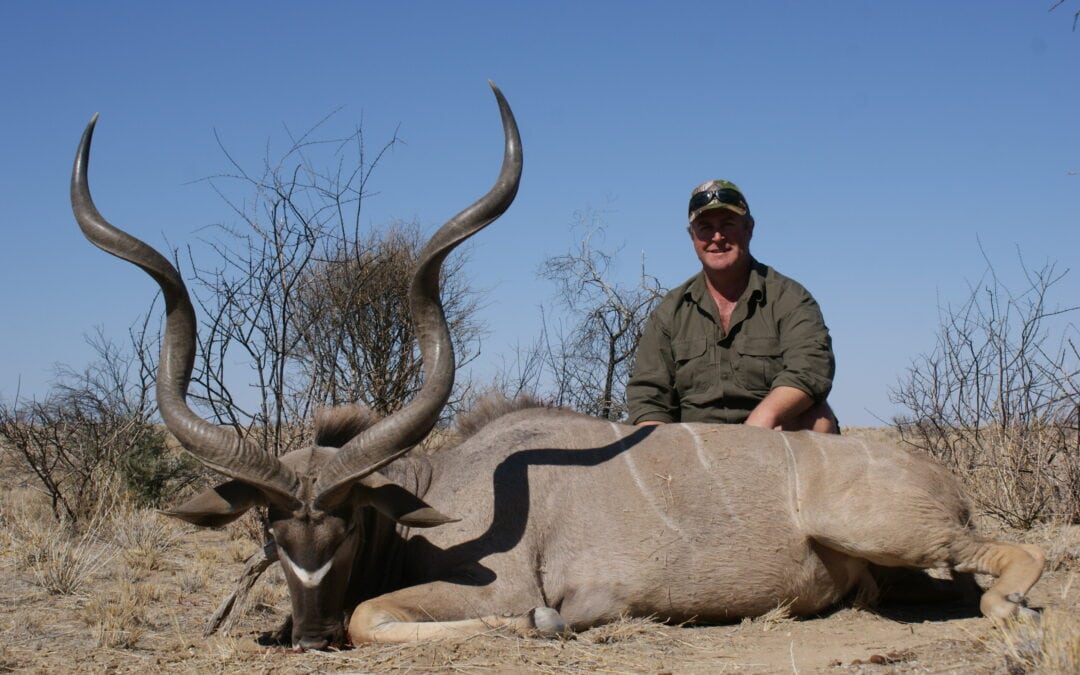
Planning an African hunting safari is exciting, especially when you start thinking about the animals you hope to encounter in the field. Namibia offers a wide variety of plains game, from the iconic kudu and gemsbok to smaller antelope and distinctive species such as Hartmann’s mountain zebra. With so many possibilities, deciding which animals to include on your trophy list can be one of the most enjoyable parts of preparing for a safari.
However, a good trophy list involves more than selecting as many species as possible. Your available hunting days, budget, preferred hunting style and personal interests all influence how you should approach the planning process. A carefully considered list gives your safari direction while leaving enough flexibility to make the most of opportunities that arise in the field.
At Otjandaue Hunting Safaris in central Namibia, hunters can pursue a variety of plains game and other available species across a private ranch featuring dry riverbeds, granite kopjes and red savannah bushveld. Whether you are planning your first African hunting safari or returning to Namibia to pursue specific trophies, taking time to organise your priorities before departure can help you make better decisions about your trip.
Start With the Animals You Most Want to Hunt
Before looking at prices or packages, decide which animals matter most to you. Some hunters arrive in Namibia with a long-standing goal of hunting a mature kudu bull. Others are interested in gemsbok, eland, zebra or a selection of different plains game species. Your personal goals should form the foundation of your trophy list.
Begin by identifying two or three priority species. These are the animals you would most like to pursue during the safari. They might be species you have admired for years, animals that represent a new hunting challenge or trophies that would complete a collection. Once you have identified your priorities, create a second list of additional species you would be happy to hunt if suitable opportunities arise. This gives your outfitter a clearer understanding of your expectations without making the entire trip dependent on a long list of targets.
For example, a hunter whose main goal is a kudu might also be interested in gemsbok or warthog. Another hunter may prefer a more varied plains game safari, with several different species forming part of the overall experience. Neither approach is inherently better. The right choice depends on what you want from your time in Namibia.
It is also worth distinguishing between wanting to see an animal and intending to take it as a trophy. Seeing wildlife is part of the safari experience, but adding a species to your planned harvest has financial and practical implications. Be clear about which animals are essential to your plans and which are simply possibilities.
Understand the Difference Between a Trophy Fee and a Daily Rate
One of the most important steps in building your trophy list is understanding how hunting safari costs are calculated. Many trophy hunting safaris use a combination of daily rates and individual trophy fees, although the precise arrangements depend on the outfitter and the package booked.
The daily rate generally covers the services and facilities associated with your stay and hunting activities. Depending on the arrangement, this may include accommodation, meals, the services of a Professional Hunter, trackers and skinners, laundry and hunting transport. You should always check the inclusions and exclusions of your specific quotation.
Trophy fees are charged separately for the animals taken or, under the applicable terms, animals wounded and lost. The fee varies by species, so the animals you choose to pursue can have a significant effect on the final cost of your safari.
This distinction matters because a package with an attractive headline price may include only a specified selection of trophies. Additional animals, extra hunting days, equipment rental, taxidermy, trophy shipping or other services may cost more.
Before booking, review the current Otjandaue trophy rates alongside the daily rates. Use these pages to understand the published charges, then request confirmation of the total costs for your intended trip. Do not calculate your budget using trophy fees alone. The complete cost of an international hunting safari may also include flights, travel insurance, firearm transport or rental, accommodation before or after the hunt, gratuities and the preparation and shipment of trophies.
A clear understanding of these costs makes it easier to decide which animals belong on your priority list and which might be better left as optional additions.
Build a Trophy List Around Your Budget
Once you know your priorities and understand the pricing structure, you can start building a realistic budget. A useful approach is to separate your expected expenses into three categories.
1. Essential costs
These are the costs associated with travelling to Namibia and completing the safari. They include the agreed hunting arrangement, flights and any necessary travel preparations. Establishing this baseline helps you understand how much of your budget remains available for trophy fees and optional activities.
2. Your priority trophies
Add the current trophy fees for the animals you most want to hunt. This gives you a working estimate for the core of your planned safari. Remember to confirm the applicable daily rates, taxes, package conditions and other charges with your outfitter.
3. Optional trophies and additional experiences
Finally, consider the animals you would like to pursue if your budget and the circumstances of the hunt allow. You do not need to commit to every possibility at the outset. Keeping some flexibility in your plans allows you to discuss additional opportunities with your outfitter without losing sight of your original budget. It is sensible to leave a financial reserve for unforeseen expenses rather than allocating every dollar before departure. International travel can involve incidental costs, and your final expenditure may differ from your initial estimate.
The objective is not to create the longest possible list. It is to build a list that reflects your priorities and the amount you are comfortable spending.
How Many Hunting Days Should You Plan?
Your available time is another important factor when selecting your target species. A short safari requires different priorities from a longer trip, particularly if you have several animals in mind. With a limited number of hunting days, it is worth concentrating on your main objectives rather than trying to pursue every species that interests you. Each additional target can influence the way you allocate your time and may affect the overall cost. A longer safari generally provides more time to pursue a wider selection of species, but additional days do not guarantee a particular harvest. Animals move, weather changes, opportunities vary and some hunts take longer than expected. The amount of time required also depends on the species, hunting conditions and the circumstances of each encounter.
Think about the type of experience you want. Are you primarily travelling to pursue one particular trophy, or would you prefer a varied plains game safari? Do you want to spend more time concentrating on a challenging species, or would you enjoy the variety of pursuing several different animals? These questions can help you decide whether a shorter package, a longer safari or a customised arrangement is the best fit.
Before committing to your trophy list, read our guide on how many days you need for a hunting safari in Namibia. It provides additional context for deciding how much time to allow for your trip.
Should You Choose a Hunting Package or a Custom Safari?
Hunting packages can be a convenient starting point for planning a safari because they group a defined number of hunting days and specified trophies into one arrangement. They can make budgeting easier, particularly for hunters who are visiting Namibia for the first time.
Otjandaue Hunting Safaris offers several package options with different combinations of species and hunting days. Reviewing these options can help you identify an arrangement that already includes some of your preferred trophies.
However, a package is not automatically the best option for every hunter. Your interests may differ from the species included, or you may have a particular animal that you want to prioritise. In that case, it is worth discussing a customised safari with your outfitter.
When comparing options, look beyond the number of trophies included. Consider the number of hunting days, the species listed, what the price covers and the conditions that apply if an animal is wounded or an intended trophy is not taken. You should also confirm whether the package can be modified and what additional costs would apply if you wanted to add a species or extend the hunt.
Explore the current Otjandaue hunting safari packages and use your priority list to identify the options worth discussing. Package prices and availability can change, so confirm the current details before making a booking.
Consider the Type of Hunting Experience You Want
Your trophy list should reflect more than the animals you want to take. It should also take into account the kind of hunting experience you enjoy. Some hunters prefer to concentrate on a particular species and devote more of their time to pursuing it. Others enjoy a mixed bag of plains game, where each species presents a different challenge and the hunt changes according to the opportunities available. The terrain can also influence the experience. At Otjandaue, dry riverbeds, granite kopjes and bushveld provide different settings for spotting, tracking and stalking animals. Your Professional Hunter can help you understand the approaches suited to your target species and the conditions encountered during your safari.
Bow hunters should consider their preferred hunting method when preparing their list. Bow hunting requires appropriate equipment, suitable opportunities and a realistic understanding of the demands involved. Otjandaue offers bow hunting with equipped blinds at waterholes as well as walk-and-stalk opportunities for more experienced bow hunters. If you intend to hunt with a bow, make this clear when discussing your plans. Your equipment, intended species and hunting approach should be considered together, and the relevant permits must be arranged correctly.
You can find more information on the dedicated bow hunting in Namibia page.
Set Realistic Trophy Expectations
A trophy list should identify the animals you would like to pursue, but it should not be treated as a guaranteed harvest schedule. Wild animals do not follow an itinerary. A species may be present in the hunting area without providing a suitable opportunity during your stay. Weather, wind direction, animal movement, terrain and the time available can all influence the outcome of a hunt. It is therefore important to discuss your expectations with the outfitter before booking. If you have a particular trophy size or characteristic in mind, explain what you are looking for and ask how best to approach the hunt. Your Professional Hunter can help you assess animals in the field and make informed decisions when opportunities arise.
Remember that trophy quality is not always captured by a single measurement or photograph. Age, physical development, horn characteristics and the overall appearance of an animal may all be relevant, depending on the species and your personal objectives. If you are uncertain about what constitutes a mature trophy, research the species you intend to hunt and discuss your expectations with your outfitter. Doing so before the safari can help avoid misunderstandings once you are in the field.
It is also worth deciding in advance how flexible you are willing to be. Some hunters have a specific trophy in mind and are prepared to wait for a suitable animal. Others are more interested in the overall experience and are comfortable considering different opportunities. Knowing your own priorities makes those decisions easier.
Leave Room for Opportunity
You may arrive with a clear priority species and discover that another animal becomes a memorable part of the experience. Alternatively, you may decide that you would rather concentrate on your original goal than add another trophy to the list. The important thing is to understand the costs and conditions before changing your plans. An additional animal can affect your trophy fees and may influence how you use your remaining hunting days. Discuss any changes with your outfitter and confirm the relevant arrangements before proceeding.
Flexibility should not mean abandoning your budget or pursuing animals simply because they are available. It means being prepared to make informed decisions when the circumstances of the hunt change. A balanced trophy list allows you to pursue your main objectives while leaving room for suitable opportunities that fit your interests and budget.
Questions to Discuss With Your Outfitter Before Booking
Once you have a preliminary list, share it with your outfitter and use it as the starting point for planning the safari. A few straightforward questions can help turn your ideas into a practical arrangement.
- Which of my priority species should I focus on during the available hunting days?
- What is included in the proposed package or daily rate?
- Which trophy fees apply to my intended species?
- What additional charges should I budget for?
- Is the number of hunting days suitable for the type of safari I have in mind?
- Can I add or change species after arrival, and what conditions would apply?
- Are there any special arrangements needed for my preferred hunting method?
- What should I know about trophy preparation, taxidermy and shipping?
You do not need to have every detail finalised before making an enquiry. The purpose of these questions is to help you understand the options and make decisions with accurate information. Providing your outfitter with a clear list of priorities, your preferred dates, the number of hunters and your approximate budget makes it easier to discuss suitable arrangements.
Plan Your Namibia Hunting Safari With Otjandaue
Building a trophy list is one of the first steps towards planning a rewarding hunting safari. Start with the animals that matter most to you, understand how daily rates and trophy fees work, decide how much time you can spend in the field and leave room for informed decisions as the hunt unfolds. Otjandaue Hunting Safaris offers plains game hunting and bow hunting on a private ranch in central Namibia, with a range of species and hunting arrangements to consider. Reviewing the available packages and current trophy rates will give you a useful starting point before discussing your goals with the outfitter.
Whether you are planning your first African safari or returning to Namibia with specific trophies in mind, a thoughtful list helps keep your expectations realistic and your budget under control. Start with your priorities, ask questions before booking and work with your outfitter to shape a safari around the experience you want.
To discuss your trophy list and available hunting options, contact Otjandaue Hunting Safaris.